Why Most Wellness Launches Fail After Week One


Wellness Brand Growth Strategy


Successful launches in the wellness industry are not about "dropping" new products. You've got to curate experiences your customers crave. So, if you're ready to stop chasing TikTok trends and start building a powerhouse brand without wasting thousands on ads, consider exploring these ten questions that protect your peace, your profit, and your production.
 
Episode 1 lifestyle
10 Questions total
2 Frameworks
 

01 —

Before You Build Anything

These five questions are designed to protect your time, your energy, and your money, and make sure that what you're about to build is actually worth building.

01 Is this something your customers are actually requesting? +

Look at your reviews, your DMs, your customer service threads. Real demand lives in what your customers are already telling you, not in what's trending on social media.

The distinction
Your customers ≠ trends. A trend that's everywhere online may have zero traction with the people who already trust you and buy from you. Get to know them to serve them better.
Data stat callout
02 Do you already offer a product that meets this same need? +

A new product should expand what's possible for your customer, not compete with something you already carry. If the need is covered, adding another SKU may dilute your business, not grow it.

Example: Non-toxic candle brand
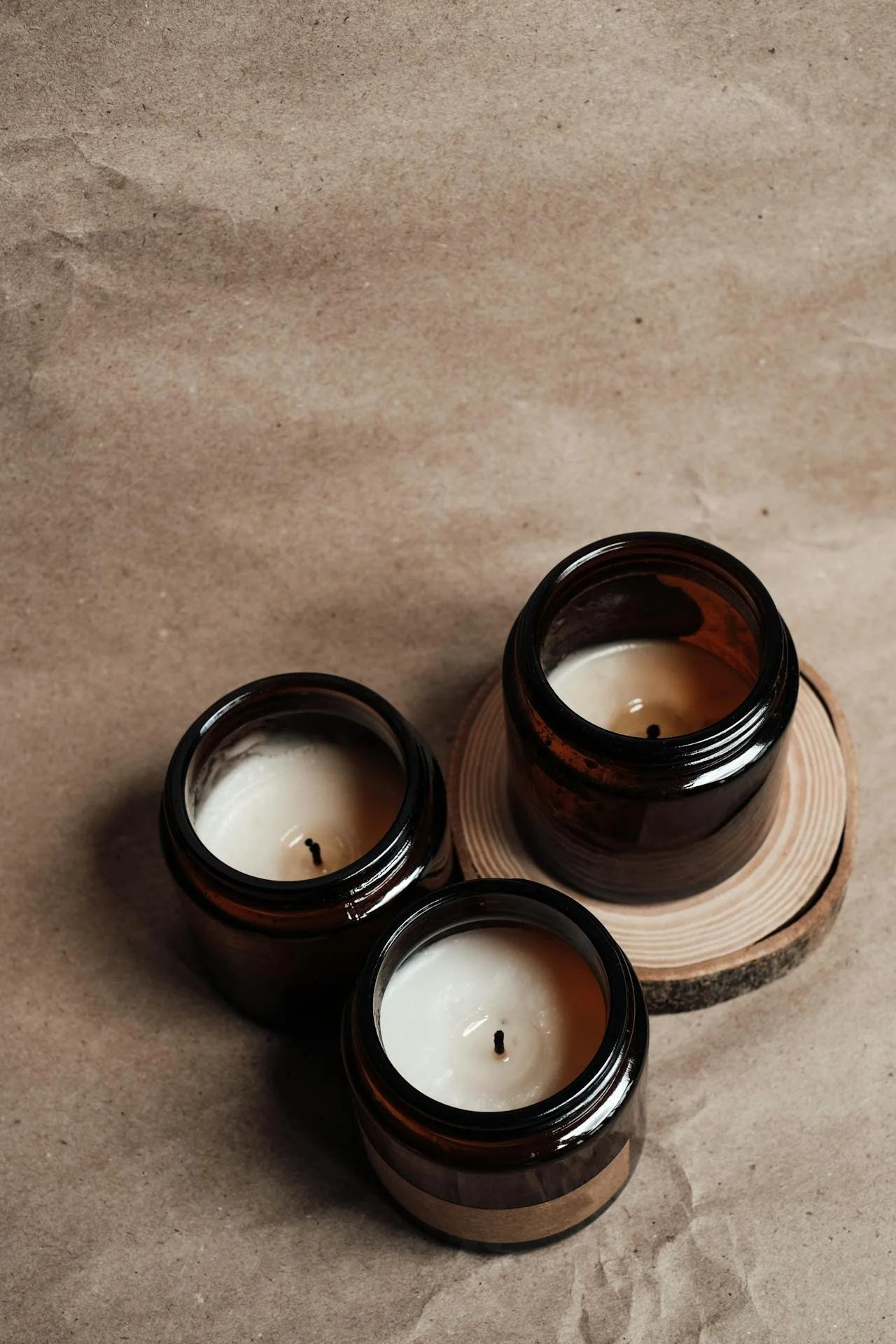
Imagine a candle brand wants to launch a "Wildflower Field" scent for spring, but they already have a floral candle. Unless we position that product in a way that makes it obvious they meet DIFFERENT needs, we may have two products competing for the same customer "moment."
"
A new SKU should open a door, not stand in front of one you already opened.
Branded Quote Graphic
03 How does this fit your product ecosystem? +

Your product line is a system where each product should support the entire experience. A product that doesn't bundle, pair, or build on what you already offer is an island. Islands don't generate momentum, don't sell well, and are very expensive to keep.

Ask yourself
Can I bundle this product in a way that makes sense and helps my customer? Does it give a customer a reason to buy more of what I already have? If no, that's not a stop sign, but it should slow you down long enough to think.
Product map diagram
04 Is this the right season, really? +

Two timelines have to align: your production schedule and your customer's buying psychology. One is always more unpredictable than you think, and they both have to be ready at the same time.

Going back to the candles.
Are customers reaching for spring candles in spring or are they looking for something else? Could it be they rather have a diffuser blend instead? Can I realistically launch this product (with everything, from formulation to PDPs) by the time I have in mind?
Timeline diagram
05 What does a successful launch actually look like to you? +

Think past "selling out." Selling out once doesn't prove the product belongs. What do you want this product to do for your brand? For you?

Going back to the candles
"Wildflower Field" may sell beautifully… once. But does it have the demand pattern to justify a second run, a bundle, a waitlist? That answer should exist before you invest in production.
?
Define what success looks like
before you start
5
Questions Before You Build
1 Are customers requesting this?
2 Does this already exist in your line?
3 How does it fit your ecosystem?
4 Is the timing right?
5 What does success look like?
 

02 —

Before You Launch Anything

If those five questions feel solid, the next step is not marketing, but positioning. It's easier to sell a product once a customer truly understands what it can do for them. That begins here.

01 What does this product actually offer? +

Not the features. Not the benefits list. What does it offer that nothing else, including what they could grab at Target today, can match? Most founders describe what the product IS. The work is figuring out what it DOES for someone.

Real wellness example: Magnesium spray → magnesium drink
Say you want to launch a magnesium product (because who doesn't?). Yet, you notice your customers would rather sip wellness drinks than spray something on the soles of their feet. It's not that they don't use sprays, it's that from YOU, they rather DRINK something. The drink doesn't offer "more magnesium." It offers convenience. A lot of people skip lotion/sprays. Everyone drinks something. The drink meets people where they already are. That's the actual offer.
Framework diagram
02 What state of mind is this product helping protect? +

Every product your customer buys protects something—an identity, a feeling, a story they need to believe about themselves. When you understand what that is, you start connecting to something that actually moves people.

An example of non-toxic baby lotion
Say a brand sells baby lotions. What would the biggest motivation be to purchase? Is it skin protection? Purity of ingredients? Scent? If you go deeper, this product protects the sense of being a good parent. "I care for my baby's skin because that's what good parents do." Your product alleviates that anxiety. Sell to the story, not the ingredient list.
"
You're not selling a product. You're protecting a story someone needs to believe about themselves.
Branded Quote Graphic
03 How is this different from what's already on the shelf? +

Your customers compare, not because they're disloyal, but because that's how humans make decisions. The question isn't how you stack up against other small brands. It's how you stack up against the version they could grab at a big store today without thinking twice.

Your real competition
Stop tracking what other small wellness brands are doing. Your real competition is familiar, convenient, and already in the cart. Know exactly why someone would pass that up to choose you.
Lifestyle photo
04 When will a customer reach for this? +

Products live in moments. The more precisely you can picture when someone reaches for yours, the more accurately you can position it, price it, and speak about it in a way that feels inevitable.

Going back to candles
When would a customer light it up? After a long day? A birthday dinner? Saturday after cleaning? Know the moment before you build the campaign.
Moment map
05 What is the plan for after launch? +

Success doesn't come from launching something, but from landing it right. A plane that takes off beautifully, yet doesn't know how to land is in trouble. Same with your product launch. Plan your landing strategy.

Decide both before launch day
If you sell out: is there a waitlist? A restock timeline? If it moves slowly: do you have a promotion, a bundle, a repositioning play? The plan for after is not optional.
2
Plans every launch needs
Sell out plan + slow sales plan
5
Questions Before You Launch
1 What does this product actually offer?
2 What state of mind is it protecting?
3 How is it different from the shelf?
4 When will they reach for it?
5 What's the plan after launch?
 

03 —

The Landing Is Everything

Most founders plan the launch obsessively and wing the aftermath. That's where the business actually gets decided.

The principle
Success doesn't come from launching something.
It comes from landing it right.

A plane that takes off beautifully and lands catastrophically didn't have a good flight. The same is true for any product launch without a plan for what comes after. It's not morbid. It's just logic.

Lifestyle
If you sell out

Capture the Demand

Have a waitlist ready before launch day. Know your restock timeline. Don't let demand disappear because you weren't ready for success.

If it moves slowly

Use the Data

A slow launch is information, not failure. Have a promotion strategy, a bundle option, or a repositioning play ready to deploy, not to invent in a panic.


Ready to launch your next product?

Previous
Previous

Do You Have A Discount Problem?